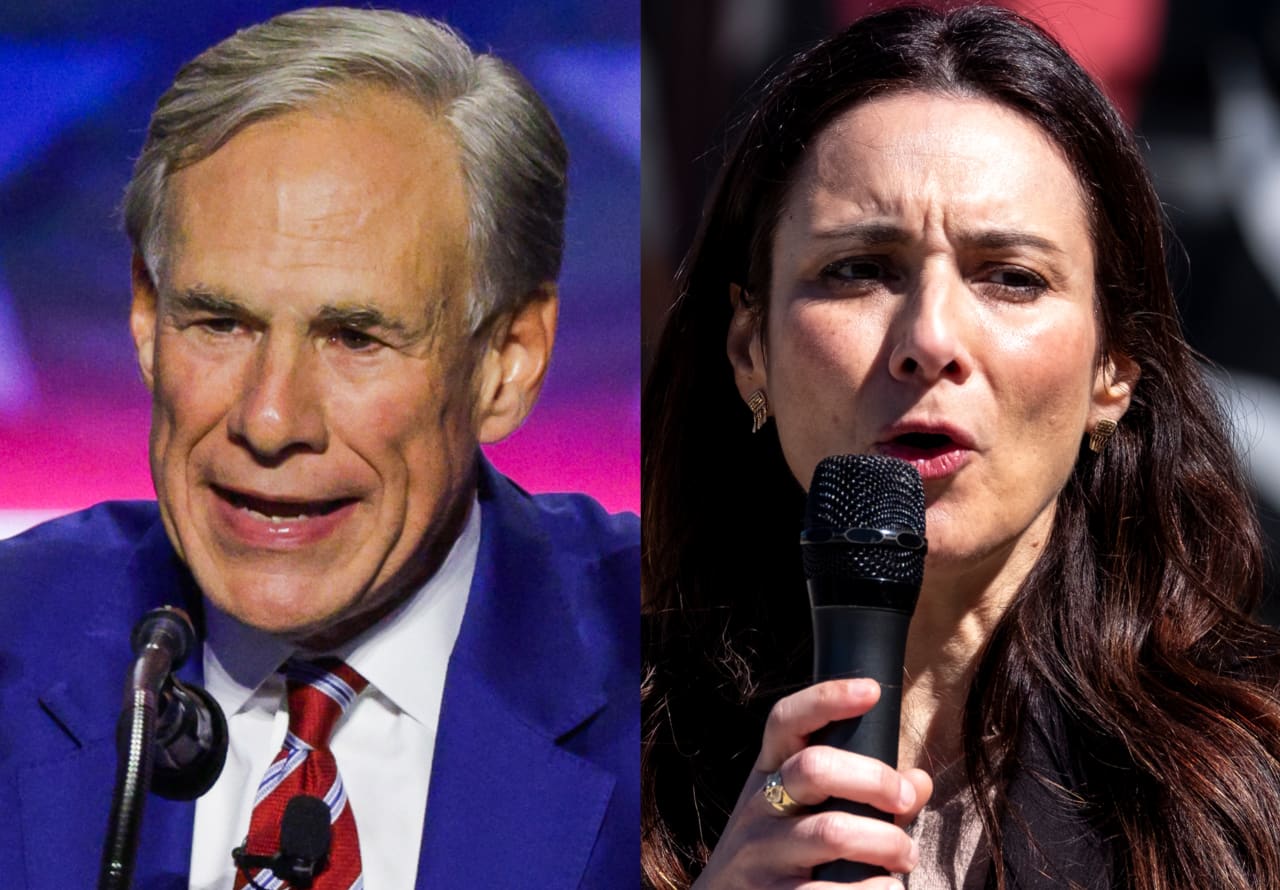
Democrats are favored to take both the House and Senate in Tuesday’s U.S. midterm election, but there is another race to which artificial-intelligence investors should be paying close attention.
The thrashing that Wall Street’s artificial-intelligence darlings have taken over the past few months has led to an unusual situation in the U.S. stock market.
The U.S. economy expanded at its fastest clip in over five years during the third quarter, according to the Commerce Department’s initial reading on GDP. Yet despite a barrage of robust data, Treasury bonds staged a surprise rally in October.
The artificial-intelligence trade is on the ropes. CNN’s “Fear & Greed” index is screaming fear, and the yield on the 10-year Treasury note just clinched its biggest daily drop since the collapse of Silicon Valley Bank.
For investors worried that the runaway artificial-intelligence trade might be about to hit the skids, prediction markets are already starting to reflect that anxiety.
In the U.S., investors can legally trade futures contracts tied to all sorts of commodities, from pork bellies to oil to the computing power needed to power artificial-intelligence models.
One of the most important relationships in global markets has started to unravel over the past couple of weeks. Investors are scrambling to figure out what it might mean for the economy, and their portfolios.
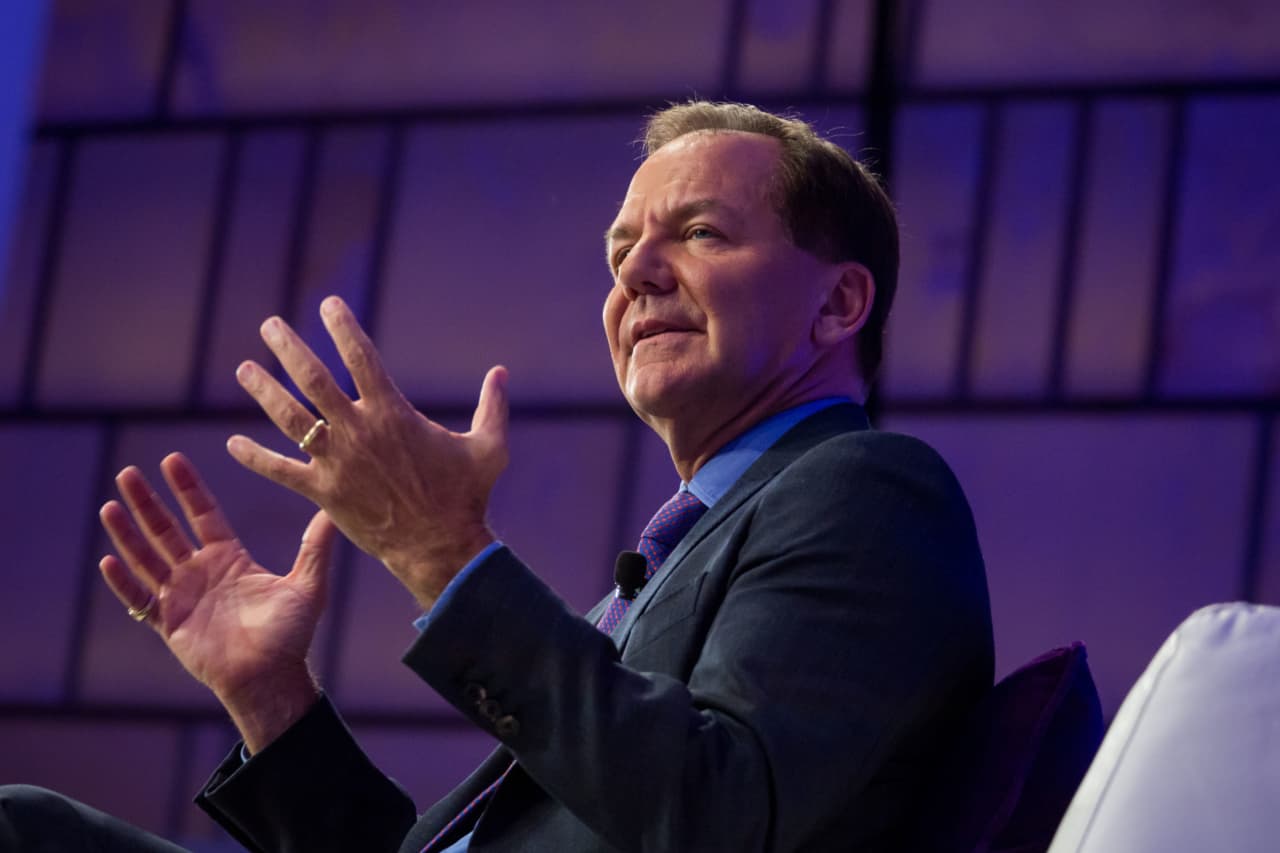
U.S. stocks could face a serious test in 2027 as a tsunami of new equity issuance threatens to upend the artificial-intelligence-driven bull market, according to hedge-fund billionaire Paul Tudor Jones.
After an eventful summer, U.S. stocks appear to have hit a pocket of calm. Over the past few sessions, trading volume has dwindled, while major indexes have mostly drifted sideways.
For decades, investors concerned about stocks sought succor in the bond market. But these days, the best shield against an outbreak of volatility might just be owning other stocks.
After trading sideways for much of the past year, the “Magnificent Seven” have been staging a comeback, helping to re-energize a bull market threatened by rising bond yields and stubbornly high crude-oil prices.